
Plovdiv, historic city


ABOUT THE TREASURE
Where: Bulgaria, Plovdiv
When: High Middle Ages, Late Middle Ages, National Revival / Brankovani, 20-th Century, Early Middle Ages
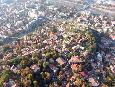
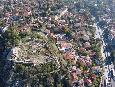
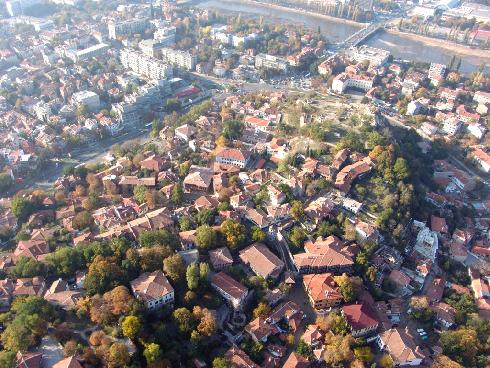
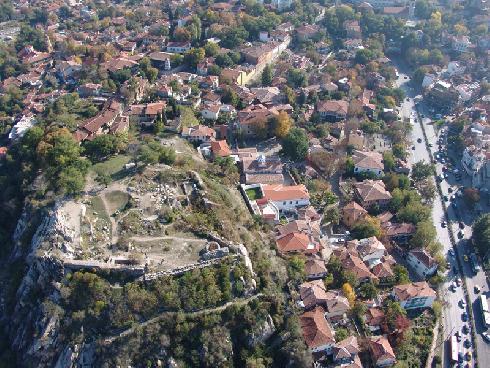
Plovdiv is the second largest city in Bulgaria. Located by the waters of the Maritsa River, it forms a picturesque entity around six hills and is also known as the cultural capital of Bulgaria. That is so because from antiquity to this day Plovdiv has been a place of cultural exchange. It can tell us stories that are more than 25 centuries old.
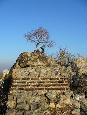
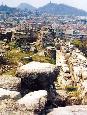
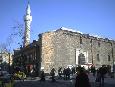
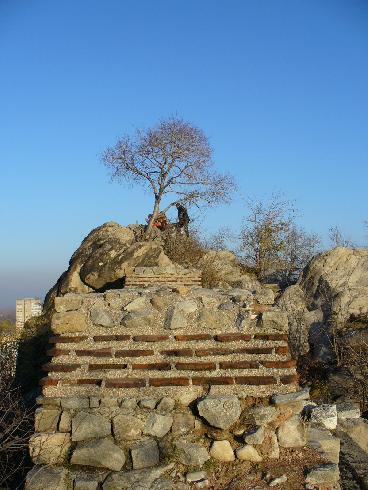
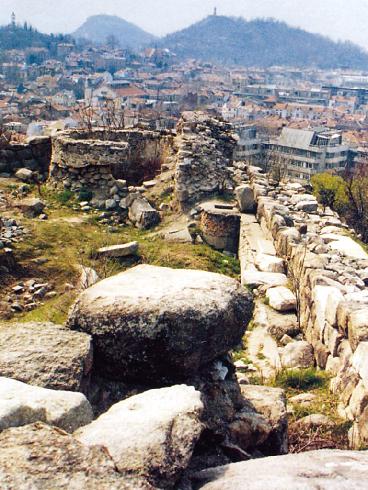
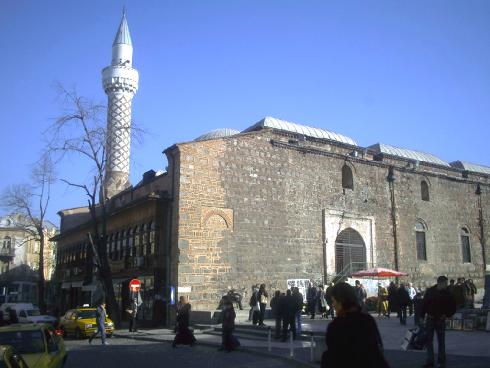
The Thracians were the first to come here, later followed by the ancient Greeks. Between the 1st and the 3rd century Plovdiv was one of the largest cities in the Roman Empire. The Middle Ages also left their imprint and today one can follow the strong protecting walls of the fortress. Remarkable churches remain from medieval times, as well as beautiful samples of Muslim culture like Cumaya cami (Great Mosque), the Imaret mosque and the Turkish bath called hamam.
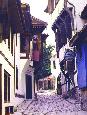
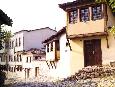
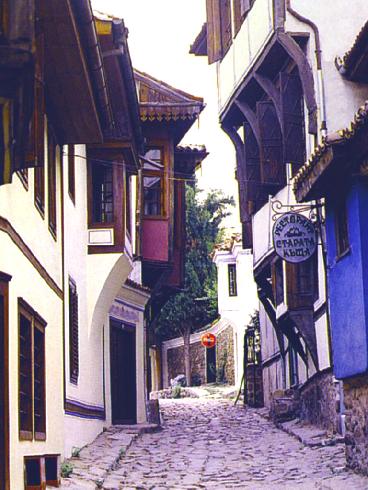
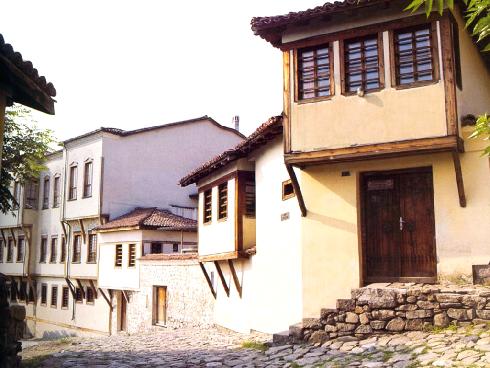
During the National Revival Plovdiv flourished as one of the largest commercial centres in the region. The spirit of that period can still be felt along the steep cobbled streets framed by unique examples of traditional architecture.
Typical folk craft alleys have been preserved from the beginning of the 20th century. Later, entire trade thoroughfares developed with remarkable buildings from that period. The city is also known for the International Plovdiv Fair, which is held twice a year
Gallery

Total: 18 points!