
Sevdalinka and the traditional instrument saz




ABOUT THE TREASURE
Sevdalinka is a unique folk music expression in Bosnia and Herzegovina. The word sevdalinka originates from the Turkish word "sevda" meaning love. It first appeared in this region during the Ottoman period. It was transferred solely in the manner of oral traditions. Generally speaking, the sevdalinka is a Bosnian love song, although it is popular throughout Southeast Europe, especially in Serbia and Montenegro and FYR of Macedonia.
In terms of music, it is characterised by a moderate tempo and rich harmonies which instil a melancholy feeling in the listener.
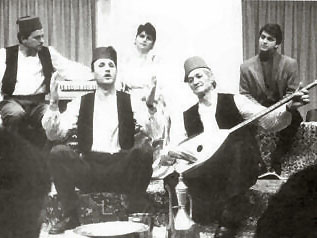
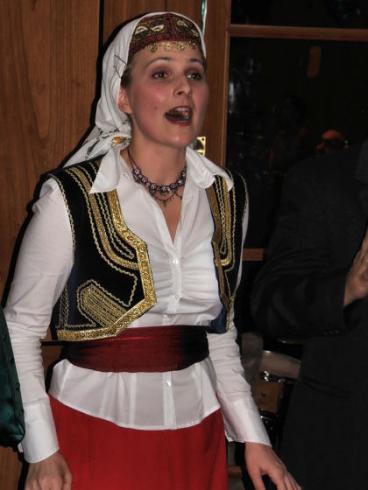
The songs are usually performed by a single male vocal, although female vocals are not uncommon. It is often performed with the accompaniment of an orchestra composed of an accordion, a violin, guitars, a flute or clarinet, a double bass and a snare drum. The use of the traditional folk music instrument – the saz – is also quite common.
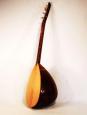
Saz is a word of Persian origin meaning reed - which is what the saz most sounds like. It is, however, a string instrument. The number of strings varies from six to sixteen. All strings are tuned to the same pitch. It is most often used by the Bosniak population and in well-off households.
Accordion or violin solos are usually played between the textual verses of the sevdalinka. The lyrics of sevdalinkas are ballads, usually dedicated to falling in love or unhappy love.
Today, the sevdalinka is mostly performed by folk singers; however it is not uncommon for singers outside this genre to perform it as well.
Gallery





Total: 5 points!


